Georgia Rideshare Accident Lawyer — Cutting Through the Insurance Layers So You Get Paid

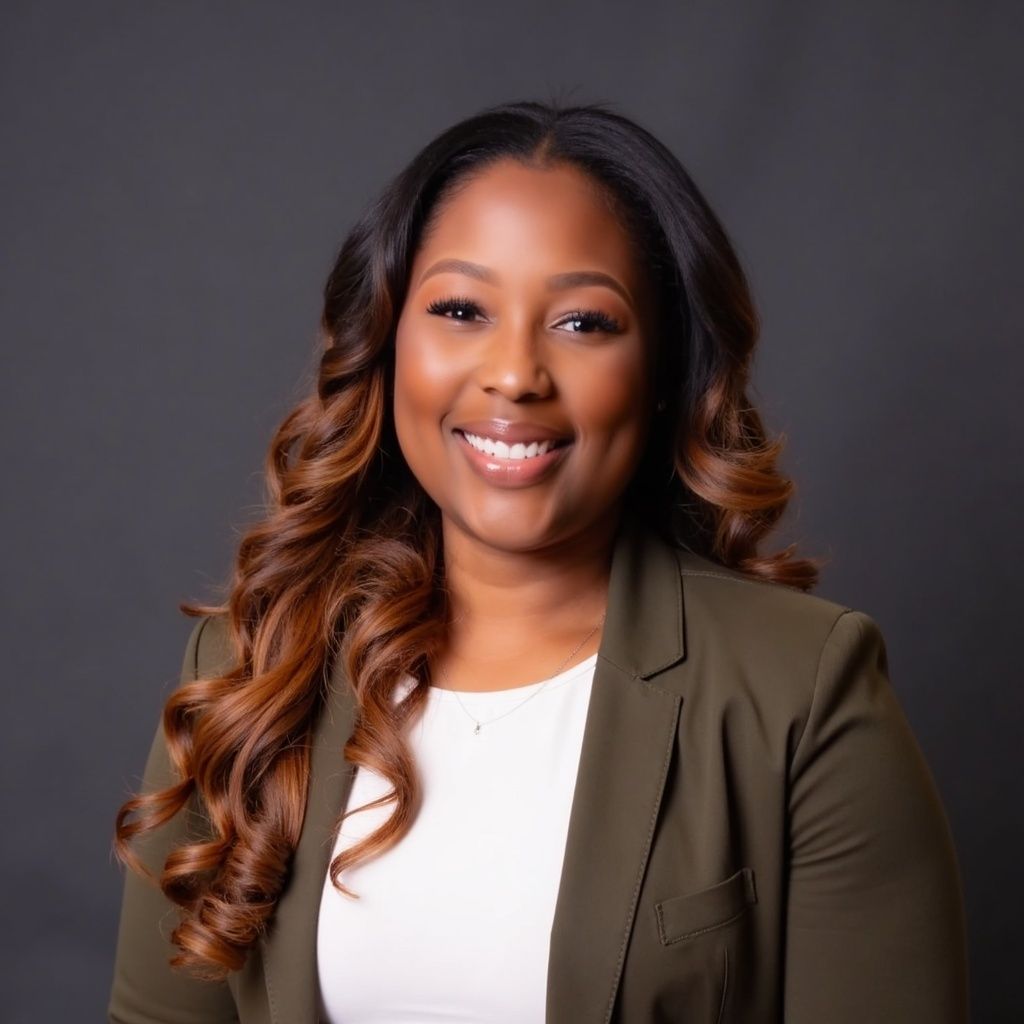
Uber and Lyft accidents are not like other car accident cases. The driver may be an independent contractor with minimal personal coverage, the platform will point fingers at the driver, and the driver will point fingers at the platform — all while you are sitting with medical bills and no clear answer about who owes you. I am Kimberly Hall, and untangling exactly that kind of insurance complexity is what I do.
Rideshare companies are built as technology platforms, not transportation companies. That classification is not an accident — it is a legal strategy designed to limit what they owe injured people. But Georgia law and federal insurance requirements place real obligations on Uber and Lyft when their drivers cause harm. The coverage question in a rideshare accident is complicated. The answer, more often than not, is in your favor.
How Rideshare Insurance Actually Works in Georgia
The biggest source of confusion in rideshare accident cases is the insurance coverage framework. Uber and Lyft do not simply cover everything their drivers do — coverage depends on what phase of the trip the driver was in at the moment of the crash.
Here is how the three phases work under Georgia law:
- App off: The driver's personal auto insurance applies exclusively. Uber and Lyft have no coverage obligation.
- App on, no ride accepted: The driver is available but has not yet matched with a passenger. Uber and Lyft provide limited contingent liability coverage — typically $50,000 per person, $100,000 per accident, and $25,000 in property damage — but only if the driver's personal insurance does not apply or is insufficient.
- Active trip (ride accepted through passenger drop-off): This is where Uber and Lyft's full $1 million commercial liability policy activates. This coverage applies from the moment the driver accepts a trip request until the passenger is dropped off.
Knowing which phase applies to your accident determines which insurance company you are dealing with, how much coverage is available, and how your claim is built. I assess this from the start of every case.
Two Types of Rideshare Accident Cases — Both Handled Here
This section covers the main rideshare accident scenarios handled by the firm.
Rideshare Accident Scenarios
The following scenarios represent the primary types of rideshare accident cases.
You Were a Passenger in the Uber or Lyft
If you were riding in an Uber or Lyft when the crash occurred, you were on an active trip. That means Uber and Lyft's $1 million commercial liability policy was in effect. The platform's coverage does not disappear because the driver does not have personal assets or adequate personal insurance. You have a direct path to that policy, and I know how to pursue it. Passengers on active trips are in the strongest coverage position of any rideshare accident scenario.
Another Vehicle Hit You — and It Was a Rideshare Driver
If a rideshare driver hit your vehicle, your claim depends on what phase the driver was in. An active-trip driver brings the $1 million policy into play. A driver in the contingent phase may bring limited platform coverage. A driver with the app off leaves you dealing with their personal insurance alone. I identify the applicable coverage immediately and pursue every available source — including your own uninsured or underinsured motorist coverage if the at-fault driver's policy falls short.
When Uber or Lyft Tries to Blame the Driver
Rideshare platforms have a financial incentive to classify their drivers as independent contractors and push liability onto them personally. I have seen this tactic used to delay and reduce settlements. The platform's independent contractor argument does not eliminate their insurance obligations during an active trip — and it does not change the fact that their app, their platform, and their matching system put that driver on the road. I know how rideshare companies are structured to limit liability. I also know how to get past it.
What Happens When Multiple Policies Are Involved
Some rideshare accident cases involve the platform's commercial policy, the driver's personal policy, and your own uninsured or underinsured motorist coverage — all at once. Coordinating claims across multiple insurers, preventing one from using another as a shield, and building a complete demand that accounts for all available coverage requires experience with exactly this type of case. I handle the insurance layer-cake in rideshare claims every day. You do not need to understand the rules. That is what I am here for.
Rideshare Accidents Are Happening Across Georgia — Not Just in Atlanta
Rideshare use has expanded well beyond the Atlanta metro. Hartsfield-Jackson Atlanta International Airport generates some of the highest rideshare traffic in the country, and that activity extends throughout the metro area, including Alpharetta and Buford. But Uber and Lyft are also a daily reality in mid-size Georgia cities. College campuses, downtown entertainment districts, and medical centers in Macon, Augusta, and Columbus all see significant rideshare volume — and rideshare accidents follow that volume.
I serve clients across Georgia, including communities where rideshare use is growing faster than local legal resources. If you were injured in a rideshare accident anywhere in the state, I can take your case. You do not need to be in Atlanta to have access to an attorney who handles these cases at the highest level.
Platform-Specific Guidance for Uber and Lyft Accidents
Uber and Lyft operate under the same general insurance framework in Georgia, but the platforms have differences in how they handle claims, communicate with attorneys, and respond to litigation. If you are looking for guidance specific to the platform involved in your accident, I have dedicated pages for both.
Visit the Uber accident lawyer page or the Lyft accident lawyer page for platform-specific information on coverage, claims processes, and what to expect when pursuing a case against each company.
What to Do After a Rideshare Accident in Georgia
The steps you take in the hours and days after a rideshare accident directly affect the strength of your claim. Here is what matters most:
- Get medical attention immediately. Even if you feel fine, adrenaline masks injury. A documented medical evaluation creates the baseline record your claim depends on.
- Document the scene. Photograph the vehicles, your injuries, the road conditions, and any visible damage. Screenshot the rideshare app to confirm the trip was active.
- Get the driver's information. Name, license plate, insurance information, and the rideshare platform they were driving for.
- Do not give a recorded statement to any insurance company. Uber's and Lyft's insurers will contact you quickly. Anything you say can be used to reduce your settlement.
- Contact an attorney before accepting any offer. Initial settlement offers in rideshare cases are almost always below what the full claim is worth. Once you accept, you cannot go back.
I offer a free case review with no obligation. You meet directly with me — not a paralegal, not a case manager — before any contract is signed. That is how every case at K. Hall Law Group begins.
Work Directly With a Rideshare Accident Attorney Who Knows Georgia
I am Kimberly Hall, founder of K. Hall Law Group and a recognized member of the Georgia Trial Lawyers Association. I hold Top 100 Black Lawyers and Top 40 Under 40 distinctions, and I bring a paralegal background to every case — which means I understand the procedural and evidentiary details that larger firms delegate to support staff. I was born and raised in Georgia, and I have built relationships across the state, from the Atlanta metro to mid-size communities that are often underserved by firms that only focus on high-volume urban markets.
Every client at K. Hall Law Group meets directly with me before any contract is signed. In rideshare accident cases, where the insurance structure is layered and the platforms are sophisticated opponents, that direct access is not a courtesy — it is a strategic advantage. You deserve an attorney who knows your case, not a case manager reading from a file.